


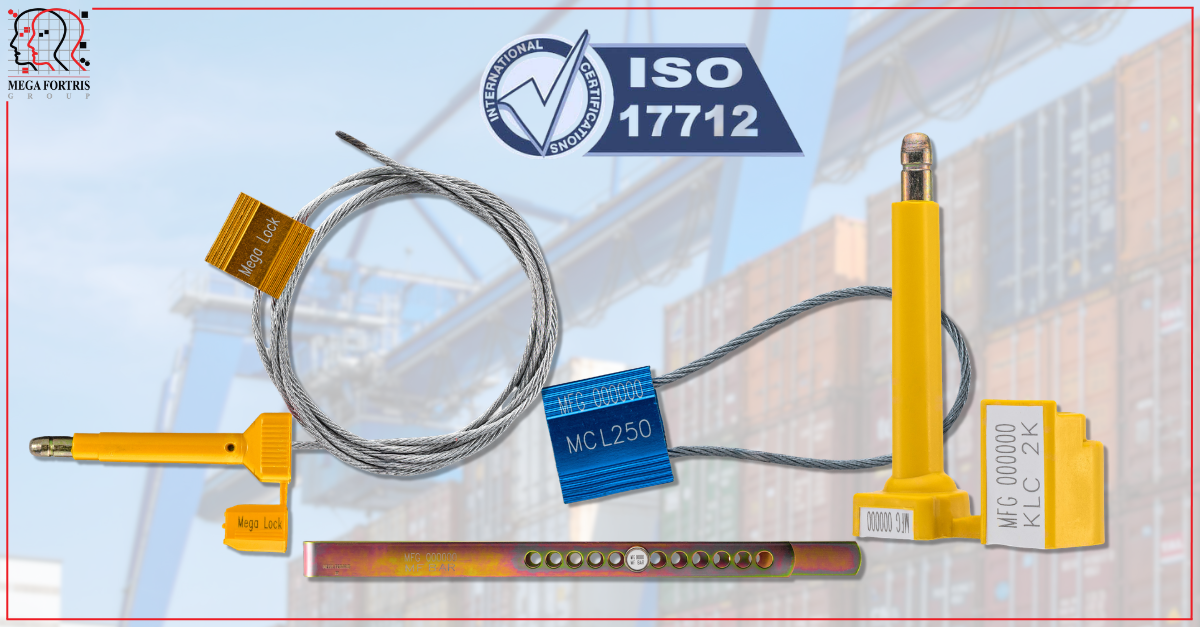
ISO 17712 Seals for Logistics
A container collected in Rotterdam may continue by truck, barge or rail before reaching a distribution centre. At each handover, the next operator needs a clear record of its seal identity and condition.
ISO 17712 certified seals can support that process. Choosing the right seal starts with understanding the application, the required security classification and the documentation behind the exact product.
What does ISO 17712 certification mean?
ISO 17712 sets requirements for mechanical freight-container seals. ISO currently lists the 2013 edition as valid, following confirmation in 2023. The standard distinguishes indicative, security and high-security seals. When your customer or transport arrangement requires high security, confirm that the exact product meets that classification.
Ask for documentation covering the supplied model and variant, including applicable physical strength and tamper evidence testing and manufacturer security processes. A general claim that a supplier offers ‘ISO seals’ is insufficient for selecting a specific product.
A tamper evident seal helps reveal interference. It does not guarantee that cargo cannot be accessed, establish the contents of a container or replace wider security controls.
Make Seals Checks Part of Every Handover
A suitable seal needs a consistent operating procedure.
Check the container and closure points. Apply the specified seal according to its instructions, verify that is is secured and record the seal number against the shipment.
Compare the number with the shipment record. Inspect the seal and closure area for damage or signs of interference. Follow the product’s verification instructions and record the check.
Check identity and condition before authorised removal. If an inspection requires replacement, record the original and replacement numbers, the reason and record the check.
For missing, damaged or mismatched seals, follow your escalation procedure and obtain instructions before opening or moving the shipment further.
What to ask your seal supplier
Before comparing prices, establish a common specification:
- Application: container, trailer or another closure point.
- Classification: the security level required by your customer or procedure.
- Evidence: documentation matching the exact model and variant.
- Identification: readable, unique numbering and suitable recording options.
- Handling: installation method, verification instructions and removal tools.
- Supply: order quantities, delivery schedule and numbering continuity.
Confirm fit on the equipment you actually use. A bolt seal and a cable seal are not automatically interchangeable.
Mega Fortris Benelux provides tamper-evident sealing solutions for logistics applications, with ISO 17712 certificate documentation and product datasheets available to support selection.
Share your closure type, security requirements, estimated quantity and identification needs with our team.
Frequently Asked Questions
No. Requirements depend on the customs procedure, customer, carrier and destination.
No. Confirm the classification and supporting evidence for the exact model and variant.
Yes, where the container remains closed and the applicable procedures allow it. Verify and record its identity and condition at the relevant handovers.
Tell Mega Fortris Benelux what you need to secure, the required classification and your expacted order volume.